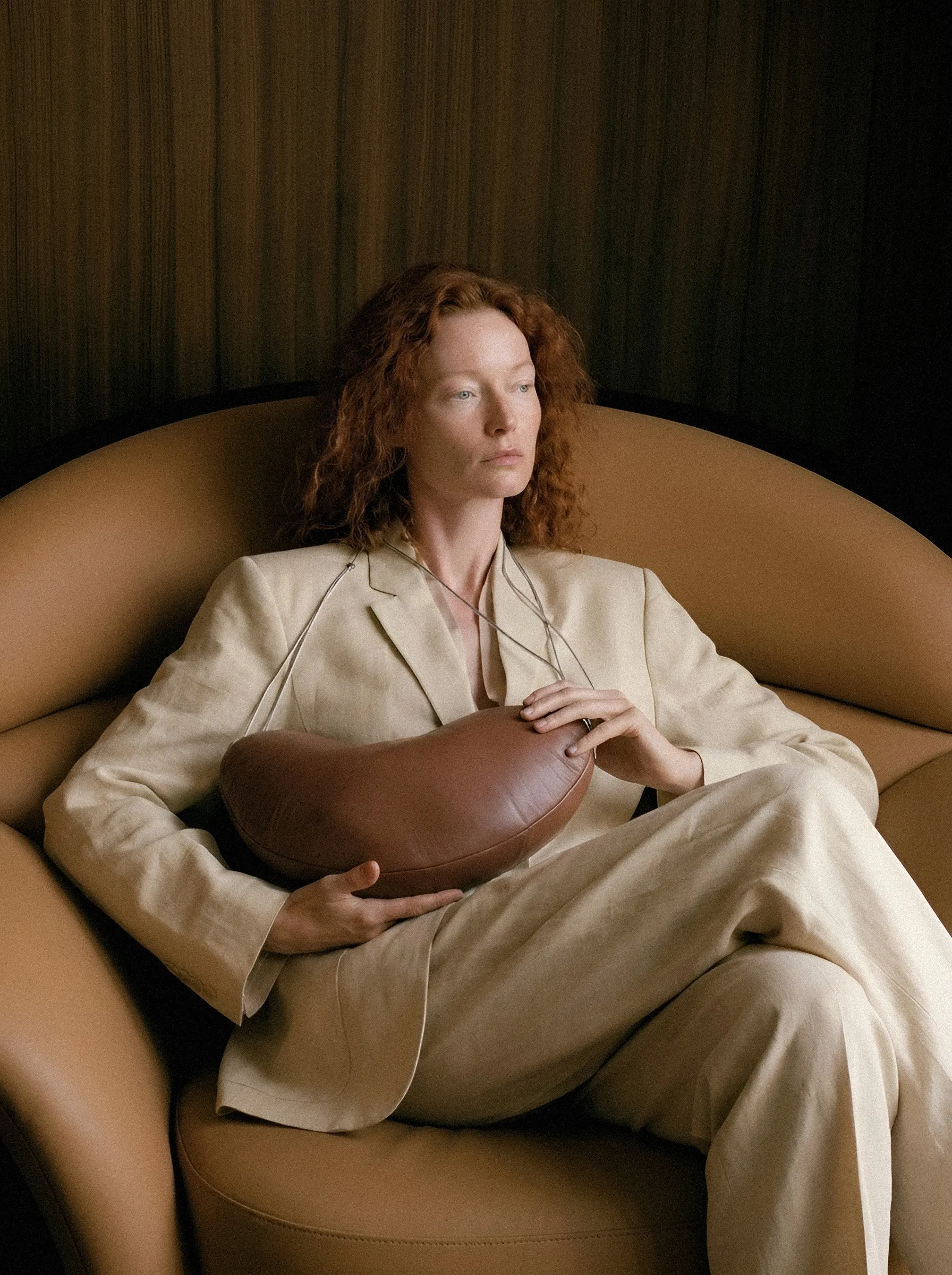
A reflection gives a figure two positions at once. The body stands in one place while the glass offers another arrangement, softened by everything behind it. Choosing where to look changes which version becomes the picture.
An edit begins with this kind of attention. Two images may be equally strong and still ask for different neighbors. One needs space around its gesture; another becomes clearer beside a detail. Their value in a sequence depends partly on what has just been seen.
In the closer frame, a hand gives the material its scale. The leather curves away from the fingers and settles against a sleeve. What appeared to be a simple outline now has weight, making the choice easier to imagine in use.
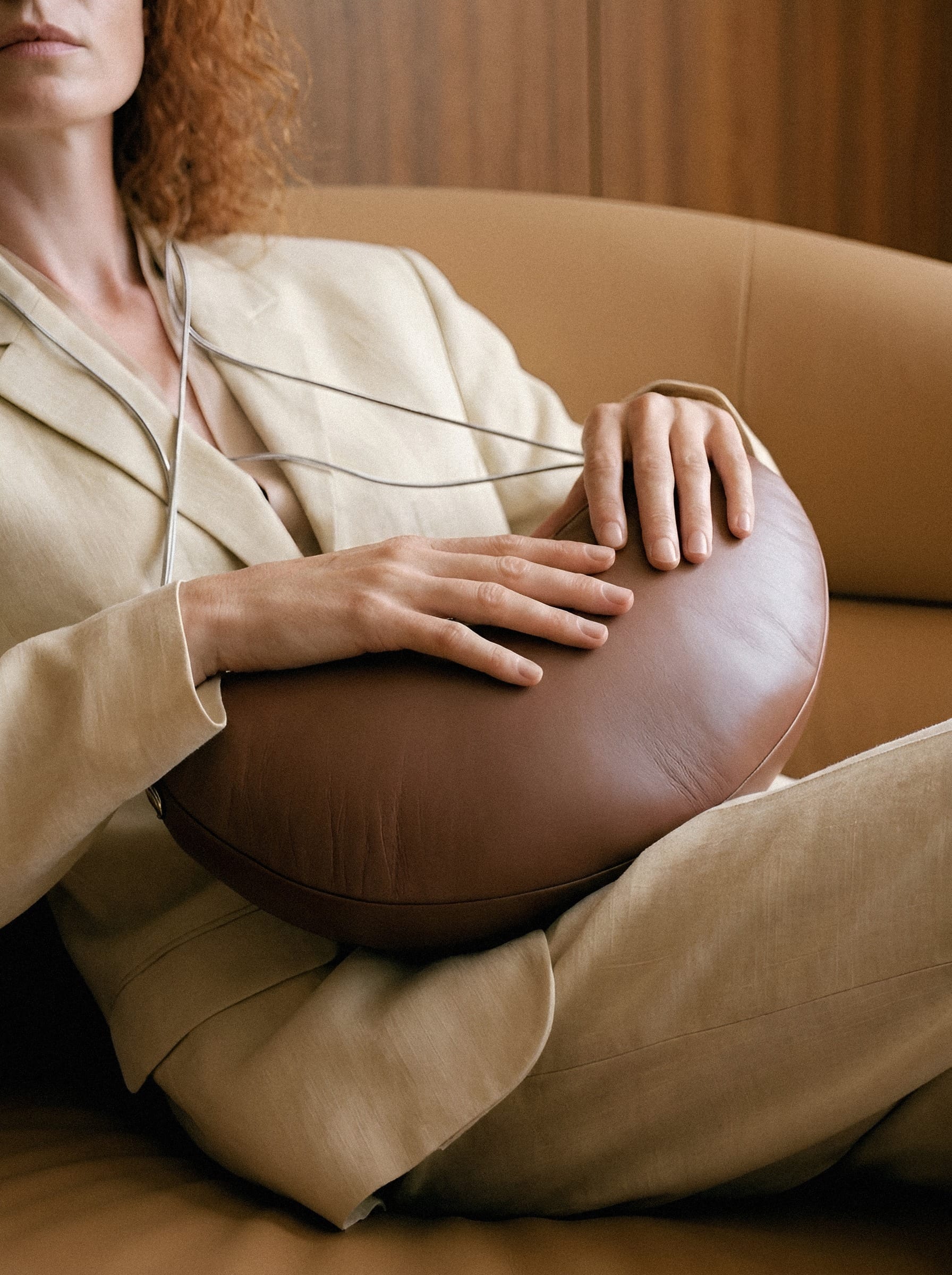
Clothing makes the same question tangible. A jacket carried over an arm behaves differently from one worn. A bag can occupy the place a hand was holding open. Move one element and the balance shifts, even though the materials and colors have not changed.
Keeping every attractive option postpones that relationship. The eye has to find a route through several competing beginnings. Taking something out can reveal a connection that was already present, but too crowded to notice.
The decision is easier to judge at a little distance. Read the sequence once without stopping to defend a favorite frame.
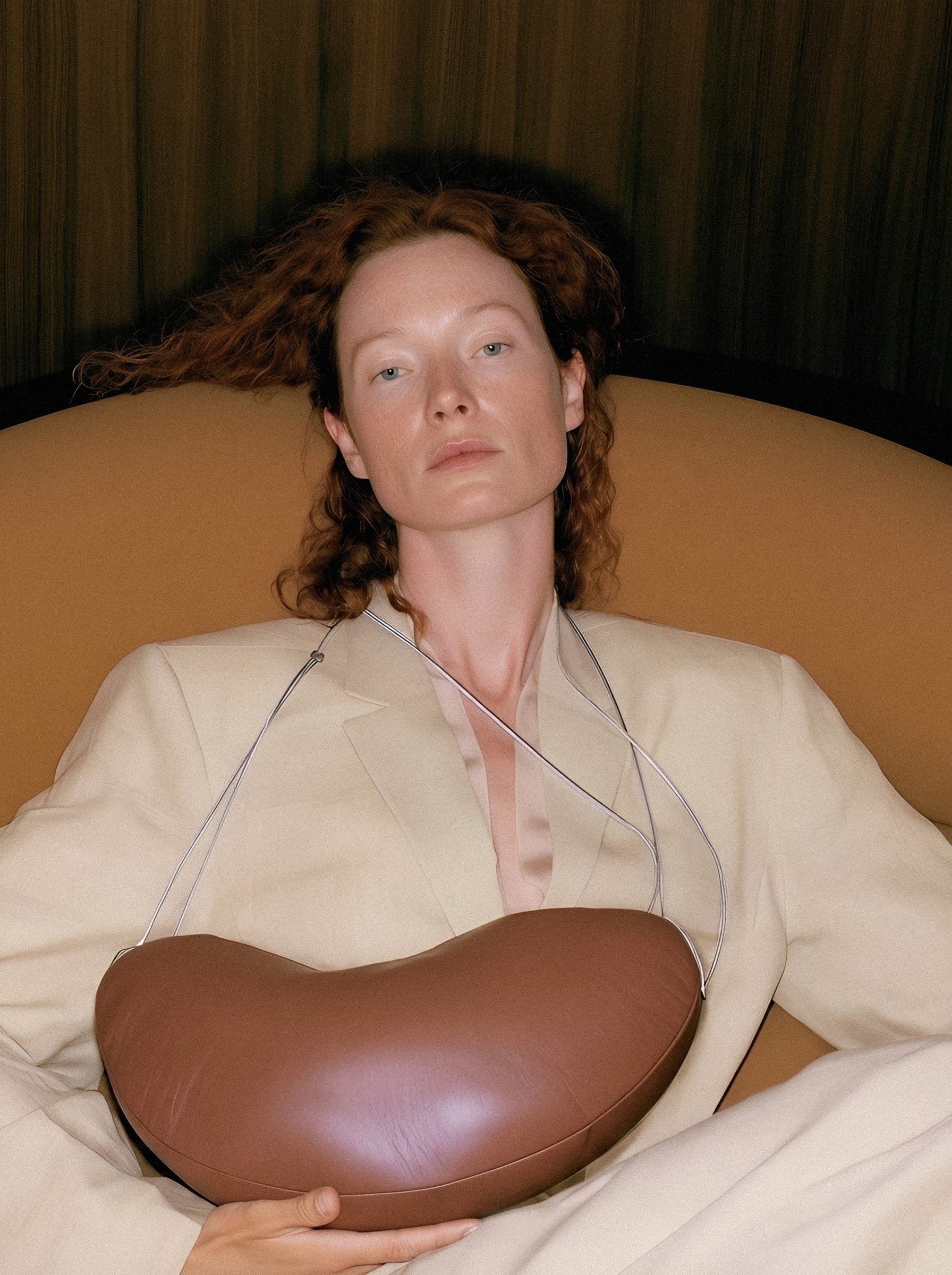
Notice where attention slows, where it drifts, and where a quieter image gives the next one more weight. Then leave a little room around the choice. An edit can be definite enough to share and still remain open to another reading.



Comments