

A table cleared for one task looks different from a table cleared because the room has to look tidy. A particular sheet remains on it. The tools nearby have been chosen for something that is about to happen, and the space left open has a job. The hour begins with that arrangement, before a clock is consulted.
Preparing a task this way does not make attention certain. A difficult question will remain difficult, and a quiet room can contain plenty of ways to avoid it. What the preparation changes is the number of decisions needed to make a first attempt. There is less opportunity to spend the opening minutes finding materials or choosing among several unrelated beginnings.
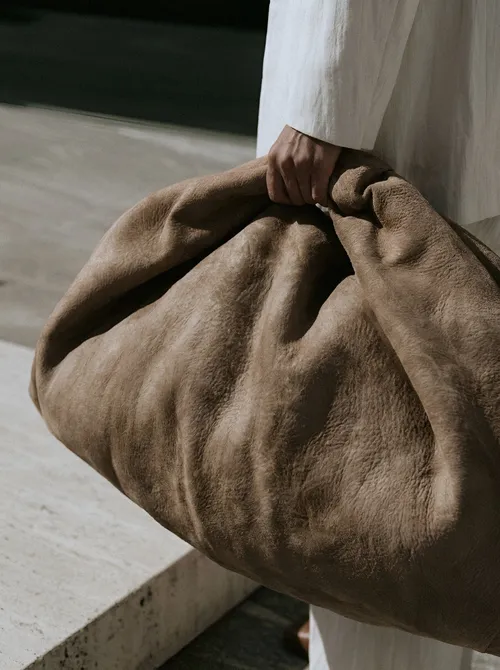
An hour is a useful size because it can contain a definite piece of work without having to stand for a whole project. Compare three pictures. Read one section aloud. Test how a folded material holds its shape. A task described at that scale gives the time something observable to carry, even when the result is a decision to stop pursuing one direction.
Giving the task an edge
In a shared space, quiet time depends on other people knowing what has been asked of them. A closed door alone may offer an unclear signal. Someone outside it still needs an answer, a tool, or a decision that affects their own work. Agreeing when questions can be brought in gives the boundary a visible form and a way for the rest of the room to continue.
The fairness of that agreement matters. If only one person's concentration is protected, the interruptions have simply been moved to somebody else. Shared time can be arranged in turns, or questions gathered for a common interval. The method will differ between households and workplaces, but the practical test is whether the arrangement makes room for more than the person who proposed it.
Silence is only one part of the arrangement. A message waiting on a screen can keep a portion of attention elsewhere even when nothing makes a sound. Moving the screen beyond easy reach introduces a small physical boundary. Whether that helps depends on the work being done; for a task that requires a conversation, the same device may belong at the center of the table.
A trace for the next session
Recording the next question keeps it from becoming another thing that must be held in mind. A note can be short and still useful. Which version is worth seeing in daylight? What measurement needs checking? Where did the sentence begin to lose its subject? Specific questions give the next session a more manageable start than a general instruction to try harder.
The sheet is still on the surface when the hour ends. A few marks distinguish it from the one laid out at the start. Beside it is a note small enough to miss from the doorway, naming the first thing to look at tomorrow.








Comments