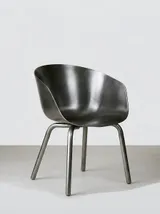
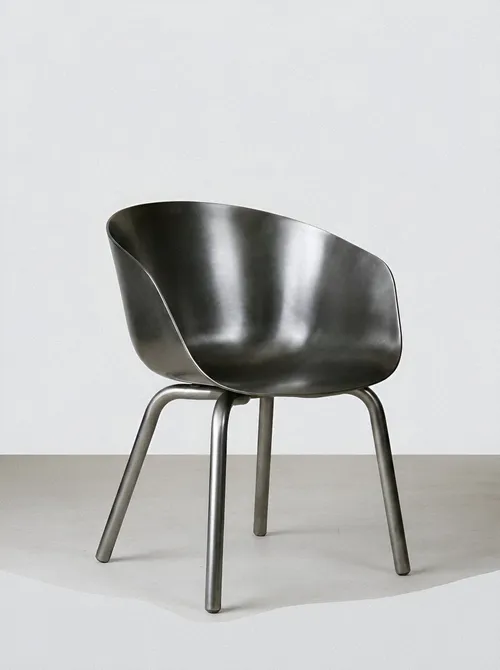
A chair keeps the shape of a listener for a moment after they stand. The leather is creased where a hand rested; the room is quiet enough for the movement to seem larger than it was. Sound gives these small departures a different kind of outline.
In a recording, an interval carries more than the absence of a note. A breath, a shifting sleeve, or the soft sound of a body settling can keep a voice connected to the place around it. Remove every trace and the performance may begin to feel suspended somewhere without walls.
Listening closely does not require making each detail conspicuous. A little room tone can remain at the edge of attention, where it is felt before it is identified. The music has somewhere to arrive, and the silence between phrases belongs to the same space as the phrases themselves.
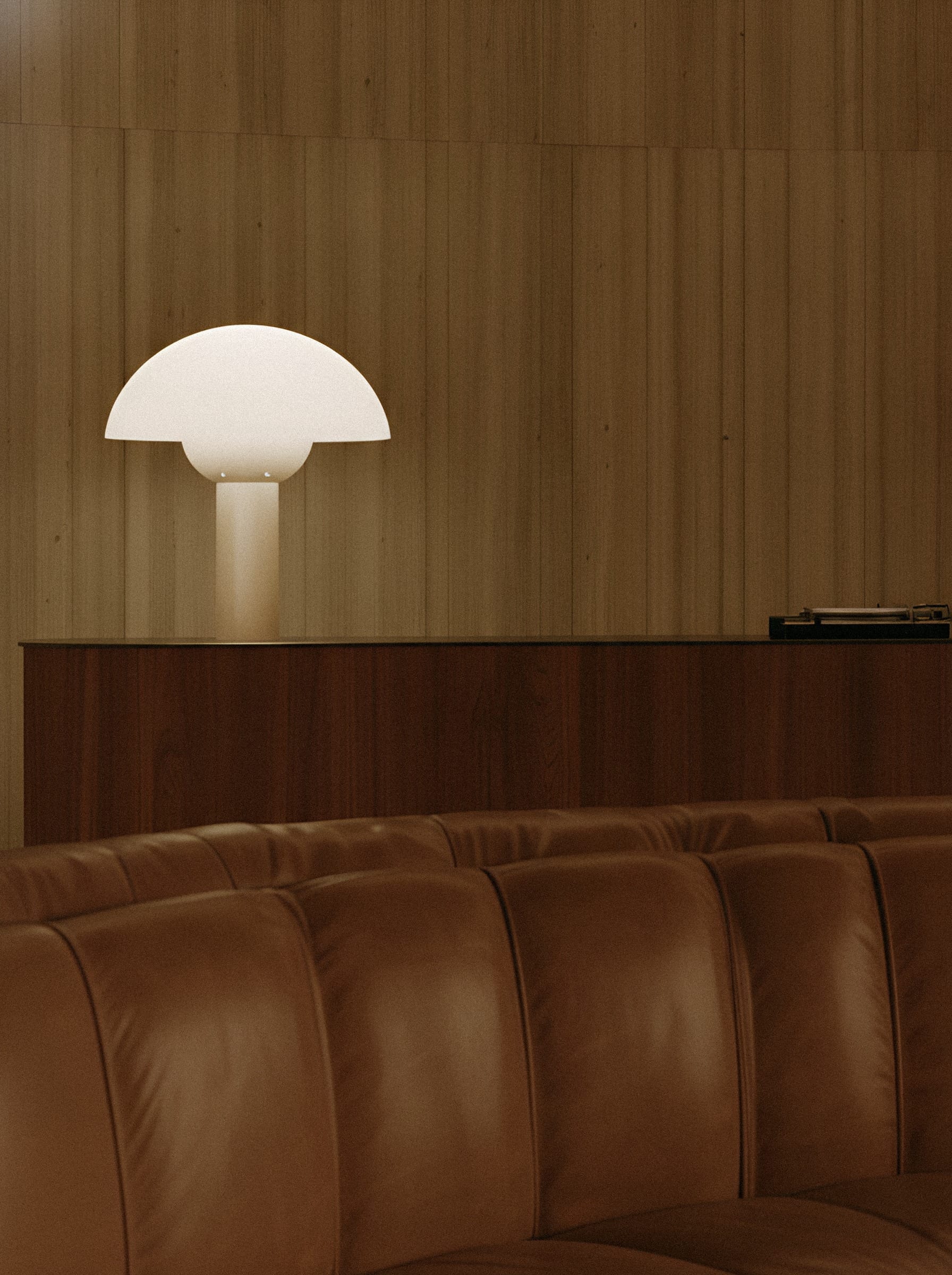
A lamp brings the listening position into focus without lighting the whole room equally. The chair is bright enough to find, while the wall behind it recedes. Sound can occupy that difference between what is close and what remains at a distance.
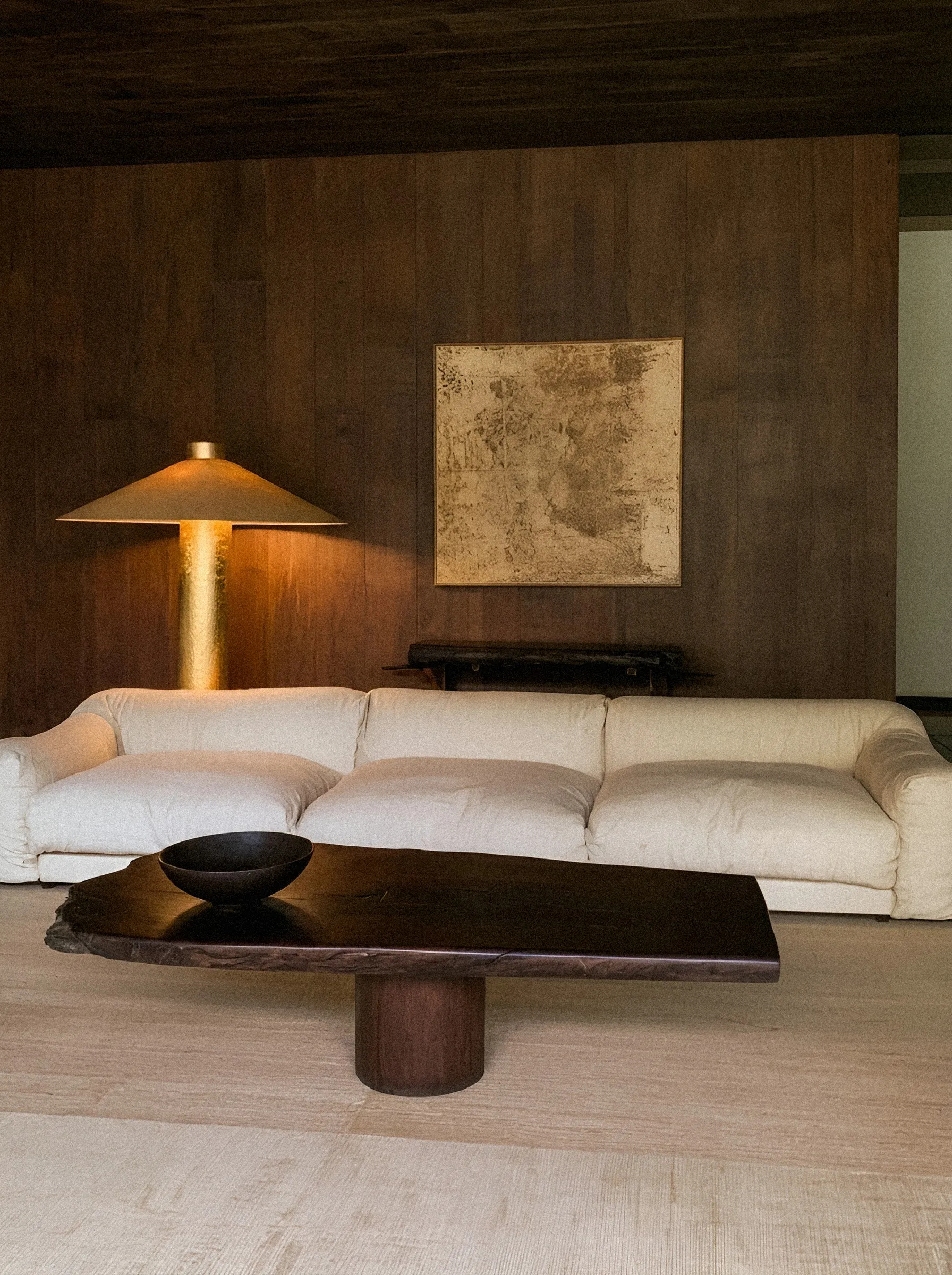
In the photographs, the same warm timber gives the room a steady background. A low table, a white lamp, and the line of a sofa occupy different parts of the frame. Each has enough space around it for a listener to imagine the small sounds that would follow a person moving through.
When the recording ends, the room continues. A chair moves, somebody speaks, and the next sound comes from beyond the frame. For a few seconds, it is difficult to say exactly where the piece finished.









Comments